A Rack’s Age Isn’t the Whole Story
A racking system may look structurally sound for years, yet fail under the wrong conditions. Specifications that never matched the load can cause a newer installation to buckle within months. Whether a rack needs repair or replacement comes down to design, installation, layout, inspection habits and daily use.
1. Match the Rack Design to the Stored Load
Every racking system is engineered around a specific weight capacity, and performance degrades once loads exceed the design limits. Uniformly distributed load (UDL) refers to the maximum weight a rack level or deck can support when spread evenly across its surface.
For example, a pallet rated for 2,000 pounds UDL could support that load spread across flat cement bags, but concentrating it into a single engine block at the center might crack the deck. Where OSHA’s floor load-limit posting requirement applies, facilities must clearly post maximum safe load limits in storage areas, since mismatched specifications can wear a rack down before old age does.
2. Choose Custom Racking for Bulky or Awkward Loads
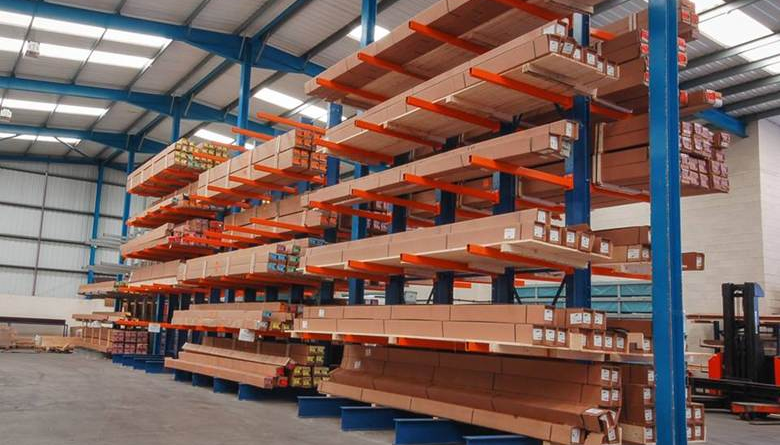
Inventory that doesn’t fit standard pallet dimensions, like long pipes or irregularly shaped equipment, requires a different support system. Cantilever racking, for instance, removes the front columns found in traditional pallet racks, so arms extend outward with nothing blocking the load path.
This keeps bulky items off the warehouse floor and eases loading and unloading for forklift operators working with awkward shapes. A good example is Tennessee Rack, a warehouse storage and material-handling specialist, whose cantilever racks can be adjusted to match the length and weight of whatever inventory a facility handles.
3. Install Racks Correctly to Prevent Early Failure
Skipping proper bracing, anchoring, leveling or floor prep can cause a rack to fail early, even when specifications are otherwise correct. Guidance from the Rack Manufacturers Institute states that every upright frame must be anchored to the floor, because although an unanchored frame still supports straight-down loads, it loses nearly all resistance to tipping or twisting forces.
According to Tennessee Rack, most frames start their first horizontal and diagonal bracing at the fourth hole from the base, with spacing adjusted based on height and load. These steps protect a system’s effective life regardless of design quality.
4. Plan the Warehouse Layout Around Safe Rack Use
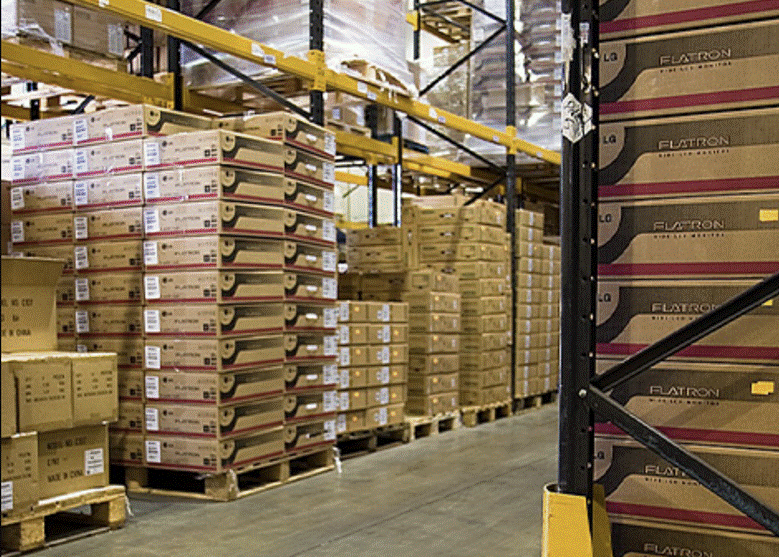
The space between rack rows affects wear over time, since tighter aisles leave less room for forklift errors. Conventional counterbalance forklifts typically need an aisle width of 12 feet to maneuver safely. Every inch lost to a narrow turn radius raises the odds of clipping a beam.
Facilities with reach trucks or order pickers often narrow those aisles to gain additional storage density. That layout choice can affect a racking system’s lifespan as much as the materials used to build it.
5. Set an Inspection Schedule Based on Risk Level
How often a facility should inspect its racking for damage depends on the risk the storage area poses. Most safety standards require comprehensive annual inspections that are fully documented.
A trained inspector handles this task, since operators may miss structural issues during routine use. An annual check is the minimum, but this should increase depending on the risk level. Narrow aisles or those that see heavy forklift traffic may require monthly reviews.
What Are the Signs That a Racking System Needs to Be Replaced?
Some damage calls for a quick repair, while other conditions may be a sign that a system has reached the end of its usable life.
- Bent or twisted uprights: A misaligned column has already lost load-bearing capacity.
- Welds that have cracked or separated: Split joints can no longer transfer load safely between beams and frames.
- Rust or flaking paint on structural steel: Corrosion that reaches the metal weakens the rack from within.
- Visible swaying or leaning under load: This movement points to anchoring or bracing that has failed.
- Recurring repairs on the same bay: A section that keeps breaking down often costs more to patch than replace.
- A mismatch between inventory and design: Heavier or bulkier loads than intended call for a different rack.
If more than one of these signs appears on the same bay, a professional assessment can confirm whether repair still makes sense before the racking system fails and poses a risk to nearby workers.
The True Measure of a Racking System’s Lifespan
Age seldom tells the whole story. The life expectancy of a racking system operating at a safe standard is affected by several factors, including design, installation, layout, inspection habits and daily use. An in-depth assessment of these factors, including how a rack has been used and maintained over time, provides a clearer sense of whether it still belongs in the warehouse.
*Please note that this list includes sponsored content. Some of the companies, products, or services featured have entered into commercial agreements for placement. Sponsored placements do not necessarily reflect an endorsement and should be considered alongside other options in the marketplace.