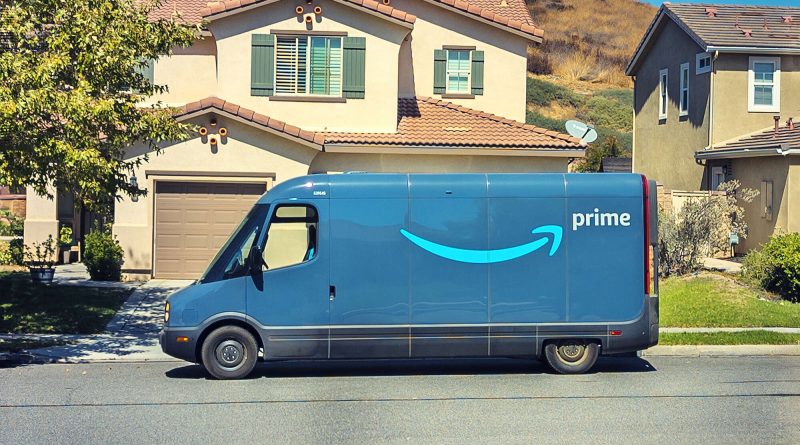
Amazon holiday hiring hits 300,000 as UPS scales back
Subscribe to our free newsletter today to keep up to date with the latest transportation and logistics news.
Amazon plans to hire more than 300,000 people across its US operations network for the 2026 holiday season, a 20% increase on last year and the largest holiday hiring target in the company’s history.
It announced the plan on Oct. 20. Seasonal employees will earn an average of $20 an hour, while full-time operations employees start at a minimum of $20 an hour, with average pay across the operations workforce at nearly $24. New roles will be posted weekly from October through December.
That headline number needs one qualification. The 300,000 figure covers seasonal, part-time, and full-time roles across Amazon’s operations network. It is not a count of temporary holiday workers alone.
Even so, the direction is clear. Amazon is adding peak-season capacity while much of the market holds back. Retailers added the fewest seasonal workers since 2008 last holiday season, and outplacement firm Challenger, Gray & Christmas expects even fewer this year, citing automation and uncertain spending as tariffs keep prices high.
UPS, by comparison, plans to hire about 100,000 seasonal workers, roughly 9% fewer than last year.
Amazon is building peak-season capacity while UPS steps back
The gap between the 2 companies says as much about the parcel market as it does about hiring.
UPS has been cutting the volume it handles for Amazon, which now delivers most of its own packages. That shift moves holiday labor demand from one network to the other. Every parcel Amazon carries through its own delivery stations needs Amazon staff to sort, load, and deliver it.
An Amazon spokesperson linked the higher target partly to new sites opening across the country as the company expands its operations network.
Demand appears to support the move. Amazon’s worldwide paid units, a measure of items sold on its platform, grew 17% year over year in the second quarter, up from 12% a year earlier. CEO Andy Jassy said in the company’s earnings release that Amazon set record delivery speeds for Prime members in the first half of the year, with more than 40% more items delivered same-day or overnight.
Faster delivery promises raise the labor requirement at the last mile. Same-day and next-day service leaves little room to batch work or absorb a backlog, so peak capacity has to be in place before the volume arrives.
Day-one healthcare is aimed at keeping seasonal workers on
Pay is only part of the offer. From Jan. 1, 2027, seasonal employees who work at least 30 hours a week will have access to healthcare coverage from their first day. Plan options start at $5 a week with $5 copays, and eligible seasonal staff hired before Jan. 1 will gain coverage on that date.
Seasonal workers previously had to wait 90 days for coverage, which meant many holiday hires finished their jobs before they became eligible.
The timing of the change is worth reading closely. It takes effect after the peak, so it does little to improve this year’s holiday roles for most workers. Its larger value lies in the year ahead. Amazon hires seasonal employees year-round, and it presents seasonal roles as a route into full-time work.
For a logistics operator, that matters. Each seasonal worker who stays on is one fewer person to recruit and train before the next peak. In warehouse and delivery work, lower turnover can be worth more than a higher hiring number.
This hiring push for fulfillment centers and delivery stations also sits alongside cuts elsewhere in the business. Amazon cut 16,000 corporate jobs in January, bringing its total reductions to about 30,000 since October 2025. The company is shrinking its office workforce while expanding the physical network that moves its goods.
Peak season will test how much capacity Amazon really needs
Several questions remain open.
One is whether demand meets the target. A 20% rise in holiday hiring is a bet that order volumes will justify it. If spending softens, Amazon may fill fewer of the posted roles than the headline suggests.
Another is what the 300,000 figure turns into. Because it mixes seasonal, part-time, and full-time positions, the number of temporary peak workers is not yet clear, and Amazon has not said how many seasonal hires it expects to keep.
A third is the wider parcel market. If UPS continues to shed Amazon volume and Amazon continues to absorb it, holiday hiring figures will increasingly reflect where parcels move rather than how many are shipped in total.
For shippers and carriers, this year’s peak may show whether Amazon’s in-house network can carry a larger share of the season’s volume without strain, and whether rivals hiring fewer workers have read the market correctly.