
Breadbox Shipping Lines reaches 25 years in West Africa with new vessels and digital infrastructure investments
Breadbox Shipping Lines (Breadbox) brings a grounded perspective to West African shipping, built on real experience instead of sweeping promises. Since 2001, this Netherlands-based company has focused solely on ocean transport, viewing specialization not as a marketing angle but as a purposeful strategy.
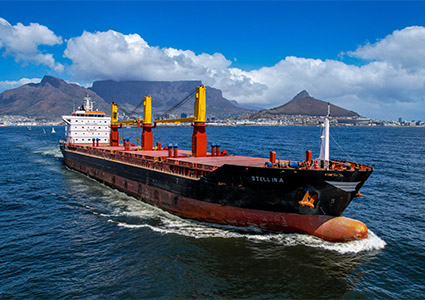
It operates 15 vessels ranging between 3000 and 15,000 deadweight tons between Europe and West Africa. The fleet features gearless coasters, geared multipurpose vessels, and reefer ships. Breadbox carries project cargo, bulk and breakbulk, IMDG cargo, industrial equipment and commodities for construction, agriculture, energy, oil and gas, and mining.
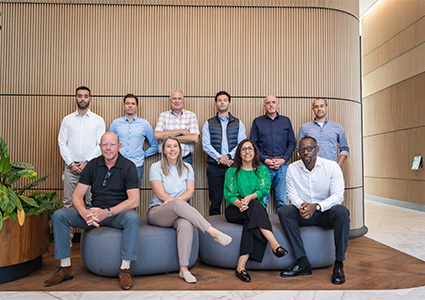
“All of Breadbox’s activities revolve around the African continent,” explains its Managing Director, Joris Bakker. “We provide regular sailings from the Baltic and the European Continent to West Africa, as well as from the Black Sea and the Mediterranean to West Africa – and vice versa.”
Several vessels trade inter-African parcels permanently, connecting ports within the region. Approximately 90 percent of sailings are Africa-based. The remaining ten percent reposition vessels for further West African trade. Breadbox has maintained this pattern since its founding.
Currently, the company is renewing its fleet through two projects. The NB3800 project involves four 3800 deadweight tonnage gearless coasters under construction in China, with deliveries scheduled for the second half of 2026. The vessels are tailored for Breadbox’s trading patterns, offering what it calls a speed-to-consumption ratio that boosts efficiency. The ships are designed to accommodate future alternative fuels and propulsion technologies.
For the second project, Breadbox is collaborating with Aykop Shipping in Turkey on the construction of four geared 5800 deadweight ton tweendeck vessels. The ships will enhance cargo-handling flexibility and improve energy efficiency for West African trade.
The partnership with Aykop Shipyard goes beyond new build projects. The Aykop X-fleet vessels, whose names end with an X, operate as part of the Breadbox fleet and are mostly 8000 deadweight tonnage geared multipurpose vessels that handle a range of cargo types and port conditions across West Africa. Breadbox and Aykop are planning more fleet expansion to keep vessels aligned with West African trade.
“Our collaboration with Aykop Shipyard in Turkey is a cornerstone of our renewal and fleet development strategy,” Joris notes. “The entire Aykop X-fleet is now part of the Breadbox operational fleet.”
Dakar office
Breadbox also runs a regional office in Dakar to coordinate port calls, oversee cargo handling, and support customers. The office works closely with Istamco, Dakar, especially on reefer trade. “Our close partnership with Istamco in Dakar is especially important for our reefer trade, a reefer liner service that Breadbox has operated for 25 years,” Joris adds. “Istamco plays a vital role in ensuring quay space allocation, discharge operations, and smooth delivery to local markets.”
Breadbox sees the partnership as essential for maintaining the efficiency and reliability of its service between Europe and Africa. The service runs year-round, but demand from West African markets peaks during the Dutch onion export season. Every ten days during this important time, the company offers a sailing with reefer vessels from the port of Flushing, also known as Vlissingen, to West Africa.
The company also focuses on investment in automation and integration of ICT systems to improve workflows, transparency, and decision-making. It applies artificial intelligence to support its chartering and operations teams. AI assists with charter party terms, automates handovers from chartering to operations, and powers a Risk Analyzer tool for voyage estimations and budgeting.
The Risk Analyzer draws on port data, weather information, and bunkering options to inform risk assessment and planning. The tool combines human expertise with data-driven insights to support decisions that impact voyage profitability and safety.
“In addition to sustainable shipping, digital transformation is a cornerstone of Breadbox’s modernization strategy,” says Joris. “By bringing together human expertise and data-driven insights, Breadbox continues to build a smarter, safer, and more efficient organization.”
The 25th anniversary year will bring the first new build deliveries, continued digitization of business processes, and investments in people, safety, and sustainability. Likewise, strengthening partnerships in West Africa and Europe remains a top priority for 2026.
In five years, Breadbox plans to operate a modernized, data-driven fleet with a presence across West, Central, and Southern Africa. It aspires to be the recognized partner for transport between Europe and Africa.
“Breadbox Shipping Lines’ success is built on dedication, professionalism, and long-term relationships with our employees, customers, and partners,” Joris remarks. “As we begin the next 25 years, we’ll stay focused on responsible growth, innovation, and supporting regional trade through reliable shipping solutions.”
Breadbox’s strong presence in West Africa comes from years of experience in the region. It partners with agents across Europe and the West African coast to stay in tune with port activity and customer demands. Having focused on ocean transport since its founding, Breadbox’s strategy for the next quarter century looks set to follow the same course.