
Logenix International has spent 25 years building a global logistics business by doing one thing exceptionally well
After leaving a failing shipping company 25 years ago, Ron Cruse hired back his team and built Logenix International (Logenix) from scratch. Today, the business is recognized as a leading provider of global logistics services to and throughout developing nations, with decades of experience delivering on time, on budget and in some of the most complex regulatory environments in the world. Ron, who is the Founder, CEO and President of Logenix, tells us more about its operations.
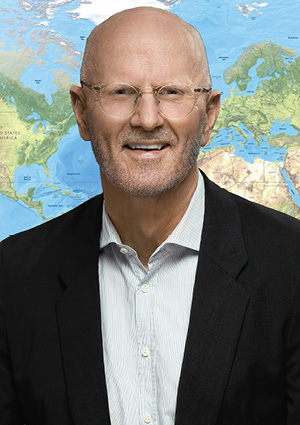
“Before entering the shipping business, I was living in New York City, fresh out of college. I worked downtown and on Wall Street, but did not enjoy either. Then, I landed with a shipping company in Midtown Manhattan. I did well there, but the company was having financial difficulties. I was young and naive enough to think I could do it on my own, so I started my first company, and it worked. That company became a specialist in doing business in Africa, and when the former Soviet Union collapsed, I established the very first private logistics network in the region, which eventually led to the sale of that business. I left about a year after the sale, and the acquiring company ran it into the ground after facing financial difficulties. When the non-compete clause ended, I hired everybody back, and that is the origin of Logenix, 25 years ago. We started with a core of five people, and today there are almost 200 of us,” he begins.
Over time, the team at Logenix refined their expertise and operations to specialize in the core market of medicine and healthcare logistics. Ron explains how the business and its supply chain have evolved since those early days. “Years ago, we became experts in moving all sorts of cargo to and through developing nations from global origins. In the beginning, the supply chain was not as diversified as it is now. Presently, only five percent of our originating cargo comes out of the US, compared to around 60 percent out of India and China, with the remaining 35 percent coming out of Europe and South America. The journey from when we started 25 years ago to today has been about establishing ourselves in all those origin points and then developing the skills necessary to clear all kinds of different cargo within developing nations. That has led to some important specialisms. Our number one specialism is moving medicines across developing nations, which are highly regulated and can be difficult to clear through customs. Within that sits another specialism that I believe we lead the world in: the management of temperature-sensitive drugs throughout developing nations. I don’t think any of the major firms can match either the number of shipments or the value of temperature-sensitive medicines and medical supplies that we move,” he continues.
Alongside its pharmaceutical work, Logenix undertakes a lot of power and water infrastructure initiatives, managing supply chains that require an entirely different set of skills. Most of the goods involved are either oversized or extremely heavy, placing them in the category the freight industry refers to as high, wide or heavy. These shipments require specialist grounding, cranes and riggers at the destination, as well as careful coordination throughout. Across Africa in particular, Logenix manages a range of such programs at the same time, handling everything from heavy equipment logistics to the continued movement of medicines and temperature-controlled substances.
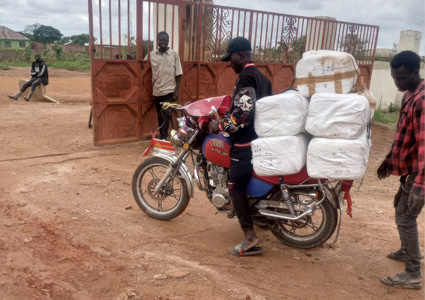
For Ron, some of the most memorable and arduous work the business has ever undertaken took place during the pandemic, a period that tested every aspect of Logenix’s operations. “We had a contract for the delivery of hospital personal protective equipment (PPE) throughout Africa, with most of it coming out of Chinese supply chains. China had its zero-Covid policy at the time, which made it incredibly difficult to get supplies moving to port and load them, because we never knew when or where a government-ordered shutdown might occur. On top of that, border crossings across Africa brought their own complications, with countries having varying policies around testing and vaccinations. That means that a truck driver who met the requirements in one country might not meet them in the next. As there was no single rule in effect anywhere, we had to quickly get up to speed with around 60 different sets of regulations and figure out what routes we could actually take. Navigating the regulatory landscape around the cargo was very challenging, and this is why that project stands out to me above most others,” he elaborates.
Regulations are an ever-present reality in the medicine sector, and for good reason. But for Logenix, compliance is only part of the picture. The company holds itself to high standards of ethical practices across its diverse global network, something Ron considers non-negotiable. Achieving that comes down entirely to people. Logenix’s growth has been completely organic, so Ron has been able to get to know the people running each part of the organization well before committing to working together as one company.
“That approach has allowed me to be clear about the standards I expect from the outset. India is a good example, as we entered the market in 2018 and now have eight offices and 100 staff there. It is a huge growth market for us, but maintaining ethical business practices is something we have to work on continually. This is a tough industry,” he concludes, “and the ethical outlook towards certain things can vary widely depending on the country. What we are always working on is upholding ethical norms that meet Western standards.”
In 2020, Ron published a highly reviewed book titled Lies, Bribes & Peril: Lessons for the REAL Challenges of the Global Arena, which draws on the cultural experiences he navigated while building and operating his businesses around the world. The book distils hard-won lessons for anyone working across cultures and borders, and has earned praise from notably critical quarters, with Kirkus Reviews, known for its exacting standards, describing it as ‘narrated with enthusiasm, understanding and reflection,’ adding that ‘the author’s instructions will aid anyone attempting to interact with other cultures.’