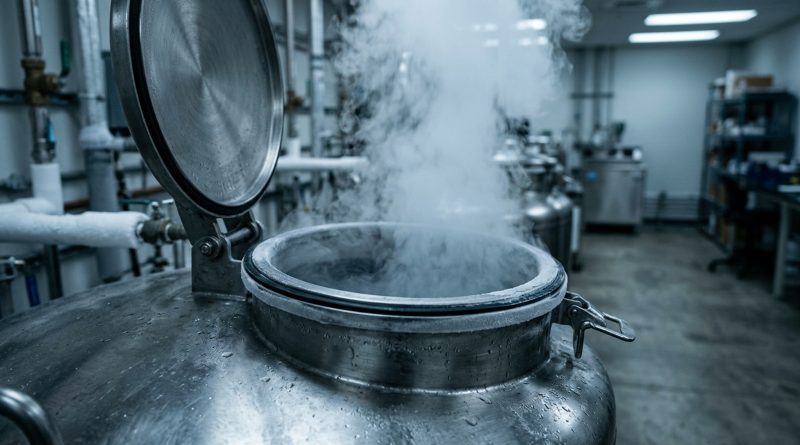
Optimizing Cryogenic Logistics for Animal Husbandry: Storage and Security Considerations
The breeding supply chain depends on flawless cryogenic storage for livestock genetics from collection through delivery. Maintaining ultra-cold temperatures during stationary holding and transit presents complex logistical challenges. Modern equipment design and strict operational protocols work together to protect these biological assets, but success requires understanding where vulnerabilities exist in the cold chain and how to address them systematically.
Maximizing Viability Through Extended Holding Times
Temperature excursions during long-haul transport or stationary storage threaten sample integrity at the cellular level. Research shows that even under ideal conditions, only 50% of spermatozoa retain viability after cryopreservation, making the prevention of further degradation absolutely essential.
IC Biomedical, an expert in cryogenic storage for livestock genetics, emphasizes the importance of diligence. “With proper storage and procedures, straws can be preserved indefinitely,” the company says, adding, “Be sure to minimize exposure during handling and keep LN2 levels stable to protect viability.”
Scaling Cryogenic Infrastructure for Herd Operations
With animal and animal-product receipts projected to fall by 7.6% in 2026, efficiency is critical. Facility managers must protect profit margins with scalable logistics, but a one-size-fits-all approach does not work when operations range from small breeding facilities to large commercial herds. Secure semen storage tanks for cattle breeding come in multiple types and sizes, so working out which you need is important.
As suppliers of the best cryopreservation equipment for animal husbandry, IC Biomedical advises careful thought before purchase. “The right artificial insemination equipment will depend on the specifics of your usage. Consider what tank capacity and hold time you need based on your straw volume, refill access and portability requirements.”
Specifically, these factors matter because:
- Straw volume: Higher inventory requires larger capacity tanks to reduce refill frequency and minimize handling exposure.
- Refill access: Remote facilities need extended hold times to offset limited liquid nitrogen delivery schedules.
- Portability requirements: Field operations demand lighter tanks with secure handling features for transport between sites.
Facility Guidelines for Cryogenic Tank Storage
Once you have selected the equipment, the physical storage environment directly impacts a dewar’s vacuum integrity. Concrete floors present a specific hazard that many facilities overlook.
Storing liquid nitrogen tanks on bare concrete causes abrasion and traps moisture against the tank bottom, leading to corrosion that compromises the vacuum seal over time. Use a roller base or wooden pallet to elevate tanks and allow air circulation beneath them.
Manure can also corrode the tank, so clean it off before storage using plain soap and water rather than chemicals.
Mitigating Loss with Proactive Replenishment and Monitoring
Standard operating procedures for liquid nitrogen management determine whether samples survive or fail. According to IC Biomedical, human error drives some of the most catastrophic losses. “Letting a tank run dry is how most samples are lost and is the most preventable reason,” the company notes. “Monitor your LN2 level and never let it get below 25% […] Set up a regular schedule to check your level.”
Securing Against Physical Damage During Transit
Last-mile logistics present their own challenges when moving shippers directly from central hubs to farms by truck. Physical damage, shock and vibration during transport can compromise the internal vacuum that maintains a stable temperature.
IC Biomedical provides specific guidance for transporting secure semen storage tanks for cattle breeding. If using your trunk or the back of a truck, it advises, “Make sure it is secure with straps or in a box that is strapped down. Don’t allow your tank to roll around – empty or full. This will shorten its life. Always keep the tank upright.”
For robust protection during transportation, the company uses reinforced aluminum in the neck tubes of its products. This allows sway without breaking, keeping samples safer during movement.
Protecting Investments in Modern Breeding Logistics
A breeding program’s success depends entirely on its cold chain logistics. Strict facility guidelines prevent environmental damage to equipment while careful transport protocols protect tanks from physical stress. Partnering with reliable manufacturers who understand the specific demands of cryogenic storage for livestock genetics ensures the supply chain remains unbroken from collection to final use.
*Please note that this list includes sponsored content. Some of the companies, products, or services featured have entered into commercial agreements for placement. Sponsored placements do not necessarily reflect an endorsement and should be considered alongside other options in the marketplace.