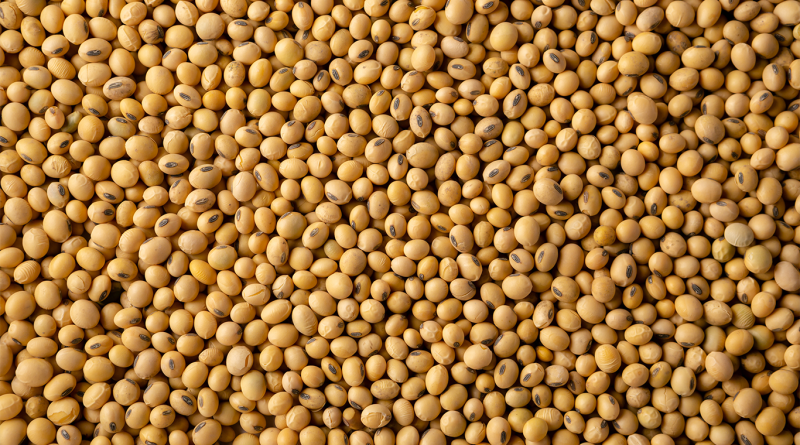
Soybean trade gathers pace as China resumes purchases from the U.S
Subscribe to our free newsletter today to keep up to date with the latest transportation and logistics news.
Fresh purchases of U.S. soybeans by China are offering an early indication that agricultural trade between the world’s two largest economies is regaining momentum following renewed diplomatic engagement.
State-owned grain trader Cofco has reportedly secured at least six cargoes of U.S. soybeans for shipment during September and October, adding to commitments already announced by the U.S. Department of Agriculture (USDA). While the volumes remain modest compared with historical trade flows, the renewed buying activity suggests both Washington and Beijing are seeking to reinforce a fragile improvement in economic relations after years of tariffs, political tensions and disrupted supply chains.
For American farmers, soybean exports have long represented one of the most important components of agricultural trade with China. The latest purchases arrive at a time when producers continue to face high production costs, uncertain weather conditions and volatile commodity markets. Although growers remain cautious, the return of Chinese demand has already provided a noticeable boost to soybean prices and improved market sentiment.
Diplomatic progress begins to influence agricultural markets
The renewed buying follows a summit between U.S. President Donald Trump and Chinese President Xi Jinping in May, which both governments described as a step toward stabilising bilateral relations. Agriculture has once again emerged as one of the most practical areas for cooperation, reflecting its importance to both economies.
According to the White House, China agreed to significantly increase purchases of American agricultural products, including at least 25 million tonnes of soybeans annually through 2028 as part of a broader package of commitments. Beijing has not publicly confirmed those figures, maintaining its customary approach of avoiding detailed comment on commercial purchasing targets.
Even without official confirmation, buying activity has begun to materialise. The USDA previously announced that Chinese buyers had committed to purchasing 200,000 tonnes of U.S. soybeans, while reports of additional cargo bookings suggest commercial transactions are continuing behind the scenes.
Commodity markets responded quickly. Chicago soybean futures climbed to their highest intraday level in more than a month before easing later in the trading session. The sharp rise followed a near 4 percent rally the previous day, representing the strongest daily gain since mid-2023.
Price movements illustrate how sensitive agricultural markets remain to developments in U.S.-China relations. Political announcements often influence futures markets well before physical shipments begin moving through export terminals.
For traders, confirmation that Chinese buyers are returning to the U.S. market helps reduce uncertainty surrounding one of the world’s largest agricultural trade routes. It also provides greater confidence that export demand could strengthen during the upcoming marketing season.
Farmers seek stability after years of uncertainty
China remains by far the largest global importer of soybeans, purchasing vast quantities each year to supply its livestock industry and food processing sector. The United States and Brazil dominate global soybean exports, with purchasing decisions often shifting between the two suppliers depending on pricing, seasonal availability and geopolitical considerations.
Over recent years, political tensions have frequently influenced those buying decisions. During periods of elevated tariffs and trade disputes, China increased reliance on Brazilian supplies while reducing purchases from the United States. Agricultural commodities became an important bargaining tool during wider negotiations over trade policy.
Earlier this year, China fulfilled an earlier commitment to purchase 12 million tonnes of American soybeans after delaying purchases for much of the marketing season. Analysts viewed that buying programme as a sign that agricultural trade could continue despite broader disagreements between the two governments.
The latest purchases suggest that pattern is continuing.
For U.S. producers, additional Chinese demand arrives during a challenging period. Farm operating costs remain elevated, including expenditure on fertiliser, fuel, machinery and labour. Many growers are also managing uncertainty surrounding interest rates and global commodity demand.
Recent data from Purdue University and CME Group showed farmer sentiment declining for a third consecutive month, with respondents highlighting rising costs and financial pressure despite generally favourable crop conditions.
Export demand therefore remains a critical source of optimism.
China’s return to the market provides additional competition for available supplies, supporting prices at a time when many growers are preparing for harvest. Even relatively small purchasing programmes can influence futures markets because traders anticipate the possibility of larger commitments later in the season.
Agricultural economists caution, however, that sustained demand will depend on continued political progress rather than isolated commercial transactions.
Long-term outlook depends on broader trade relations
While soybean purchases represent an encouraging development, they remain only one element of a much larger and more complex economic relationship.
Officials from both countries have recently discussed reducing tariffs on selected agricultural products as part of efforts to preserve the broader trade truce established last year. China’s Ministry of Commerce has indicated that both sides are examining measures to ease restrictions on agricultural trade, although detailed agreements have yet to be finalised.
Another meeting between Trump and Xi, expected later this year, could provide further opportunities to advance negotiations and establish greater certainty for exporters and importers alike.
Businesses across the agricultural supply chain will be watching closely. Grain merchants, exporters, processors and logistics providers all benefit from predictable trade flows between the two countries. Regular purchasing programmes allow exporters to plan shipments more efficiently while providing producers with greater confidence when making planting and marketing decisions.
Global competition will remain intense. Brazil continues to expand soybean production and has strengthened its position as China’s largest supplier during recent years. Even if Chinese buying of American soybeans increases, U.S. exporters will continue competing on price, quality and freight costs.
Nevertheless, renewed commercial activity demonstrates that economic fundamentals continue to underpin the relationship. China requires reliable soybean supplies to support domestic food production, while American farmers depend on access to one of the world’s largest agricultural markets.
If diplomatic engagement continues to improve, agricultural trade could once again become one of the strongest areas of cooperation between the two nations.
For now, the latest soybean purchases offer a cautiously positive signal. They indicate that commercial relationships are beginning to recover after several years of disruption, providing renewed opportunities for exporters while supporting confidence across the agricultural sector.
Whether this develops into a sustained recovery will depend less on individual cargo sales and more on the ability of both governments to maintain constructive dialogue and translate political commitments into consistent trade flows. For growers, traders and global commodity markets alike, that progress will be watched as closely as the harvest itself.
Source: